
Blog
7 Essential Blue Food Coloring Tips for Chefs and Bakers

Blue Food Coloring: What It Is and Why It Matters
Table of Contents
- Definition
- Common Uses
- Benefits and Safety
- Practical Applications
- How to Choose the Right Product
- Final Thoughts
Blue Food Coloring is a versatile ingredient that brings vibrant hue to desserts, beverages, and sauces. Whether you are a professional chef or a home baker, understanding its properties can elevate your creations. In this guide, we’ll explore the science, safety, and creative ways to incorporate Blue Food Coloring.
Definition
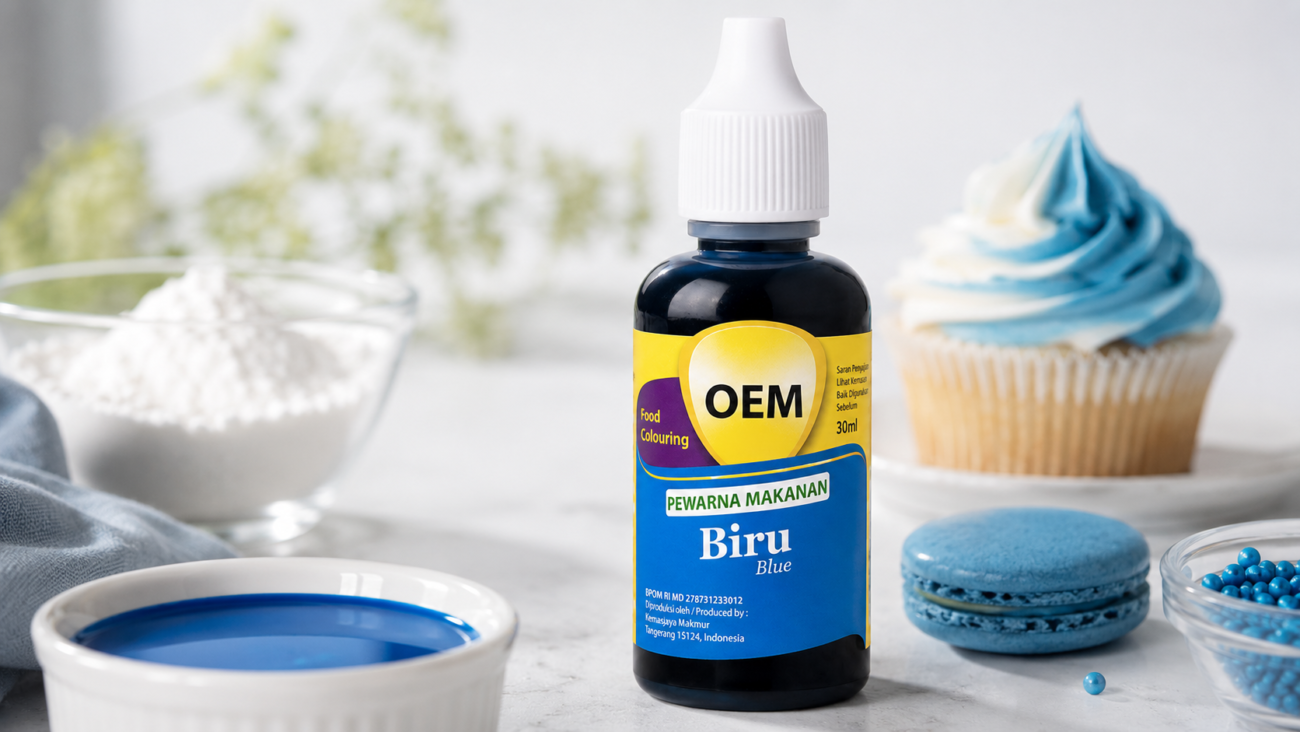
Blue Food Coloring is a food-safe dye designed to impart a blue tint to edible items. It comes in liquid, gel, or powder form and is regulated by food safety authorities such as the FDA. The color intensity can be adjusted by diluting the dye, allowing for subtle pastel shades or striking cobalt tones.
Common Uses
- Decorating cakes and cupcakes with swirls or piping.
- Adding visual appeal to drinks like smoothies or cocktails.
- Enhancing the color of sauces, soups, and gravies.
- Coloring confectionery fillings and candies.
Chefs often pair Blue Food Coloring with complementary colors—such as yellow or orange—to create eye‑catching presentations.
Benefits and Safety
Blue Food Coloring offers several advantages: it is non‑fat, calorie‑free, and easily mixed into liquids. Safety is paramount; always use dyes approved by regulatory bodies and follow the recommended dosage. Excessive use can lead to an overly artificial taste, so start with a few drops and adjust gradually.
For those concerned about allergens, check the ingredient list for potential additives such as azo dyes. Many brands now offer natural alternatives derived from spirulina or blueberry extracts.
Practical Applications
Here are three creative ways to apply Blue Food Coloring:
- Layered Cupcakes: Swirl the dye into each layer to create a rainbow effect.
- Glazing Techniques: Mix with melted butter to coat pastries, giving a glossy finish.
- Infused Beverages: Add a drop to iced tea or lemonade for a refreshing twist.
These techniques help you showcase your culinary skill while keeping the flavor profile intact.
How to Choose the Right Product
- Check for food‑grade certification.
- Look for a clear, non‑cloudy solution.
- Prefer brands that offer both liquid and powdered options.
- Read customer reviews to gauge color strength and mixing ease.
By selecting reputable products, you ensure consistency and safety in every batch.
Final Thoughts
Blue Food Coloring is a powerful tool for chefs, bakers, and culinary enthusiasts. Its versatility, combined with strict safety standards, makes it a staple in modern kitchens. Whether you’re creating a themed cake or simply adding a splash of color to a sauce, this dye helps bring your vision to life.
For more detailed information, visit this trusted source. Explore additional recipes and techniques on our website and stay inspired with fresh culinary ideas.