
Blog
7 Essential Sweet Potatoes Tips for Winning the Wholesale Export Market

Sweet Potatoes: How to Choose High-Quality Sweet Potatoes for Wholesale Export
Table of Contents
- What Makes Sweet Potatoes Premium?
- Key Selection Criteria for Wholesale Buyers
- Effective Sourcing Strategies
- Inspection & Quality Assurance
- Logistics & Storage for Export
- Export Regulations & Documentation
- Takeaway: Secure Sweet Potatoes Success
Sweet Potatoes have become a global staple, prized for their natural sweetness, versatile culinary uses, and nutritional value. For businesses eyeing the wholesale export market, selecting the right Sweet Potatoes is a critical first step toward profitability and reputation.
What Makes Sweet Potatoes Premium?
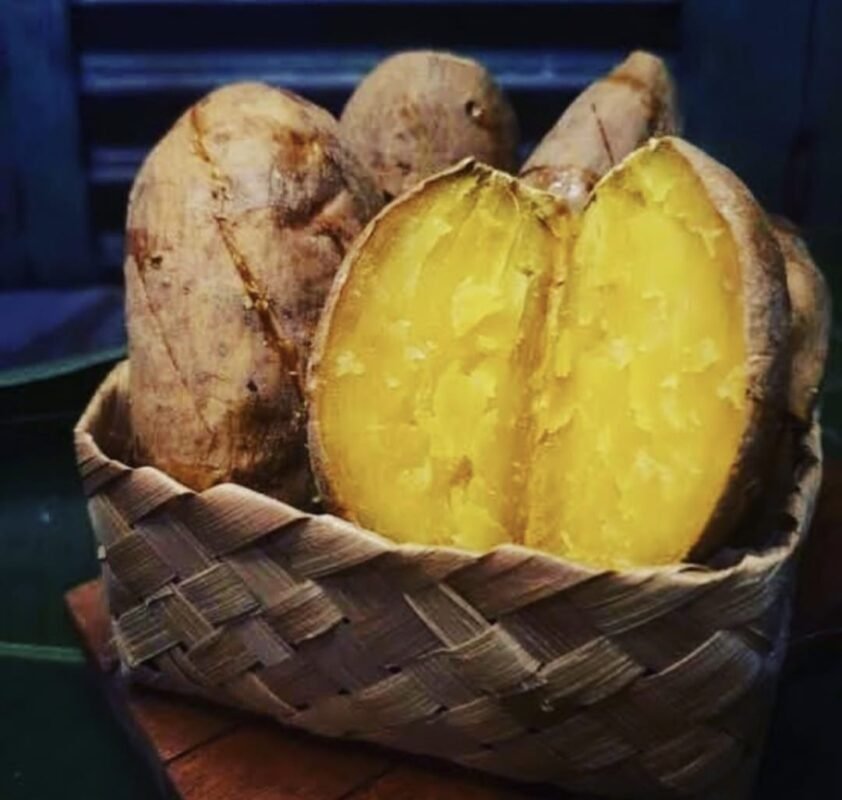
Premium Sweet Potatoes are characterized by uniform shape, vibrant orange flesh, and a firm yet tender texture. They should have a dry, intact skin free from blemishes, and minimal surface cracks that could invite spoilage.
From a market perspective, premium Sweet Potatoes fetch higher prices and command stronger demand in Asian, European, and US markets. Understanding these traits helps buyers avoid costly mistakes.
Key Selection Criteria for Wholesale Buyers
- Color Consistency: Deep orange indicates high beta‑carotene content and better shelf life.
- Size & Weight: Uniform size ensures even cooking and easier handling during transport.
- Dry Skin: A dry, smooth exterior signals lower moisture stress and lower post‑harvest decay.
- Absence of Soft Spots: Soft or browned areas can accelerate rot during storage.
Effective Sourcing Strategies
Partnering with reputable growers or cooperatives is essential. Engage in direct farm visits or request third‑party audits to validate compliance with Good Agricultural Practices (GAP).
Consider regional production cycles: Eastern Asia produces peak Sweet Potatoes in late summer, while Latin America offers a complementary supply during off‑season months. Diversifying sourcing locations mitigates supply risk.
Inspection & Quality Assurance
Implement a multi‑stage inspection protocol:
- Initial visual scan for surface integrity.
- Weight‑to‑volume ratio check to ensure density.
- Moisture content measurement (target 20–25%).
- Microbial testing for Salmonella and E. coli contamination.
Document all results in a traceability system. This data not only satisfies export compliance but also builds buyer confidence.
Logistics & Storage for Export
Proper storage is vital to maintain Sweet Potatoes quality. Store at 13–15°C with 85–90% relative humidity to prevent drying out. Avoid direct sunlight and rapid temperature fluctuations that cause sprouting.
During transport, use refrigerated containers with continuous temperature monitoring. A temperature excursion can compromise the entire shipment, leading to financial loss.
Export Regulations & Documentation
Each destination country has specific phytosanitary requirements. For example, the United States demands a Health Certificate issued by an accredited authority. European markets require a phytosanitary certificate and compliance with EU Regulation 2020/2001 on plant health.
Leverage resources like the Wikipedia Plant Health page for detailed guidelines. For internal guidance, visit website kami to access our export compliance toolkit.
Takeaway: Secure Sweet Potatoes Success
Choosing high‑quality Sweet Potatoes for wholesale export is a multifaceted process that blends botanical knowledge, rigorous inspection, strategic sourcing, and meticulous logistics. By adhering to the criteria above, exporters can deliver premium Sweet Potatoes that satisfy global demand and command premium pricing.
Stay ahead of market trends, invest in traceability, and maintain strong relationships with growers. These practices will position your business as a trusted supplier in the competitive Sweet Potatoes export arena.