
Blog
7 Best Black Food Coloring Tips for Cakes and Desserts

Table of Contents
- Choosing Black Food Coloring for Desserts
- Using Black Food Coloring in Cakes
- Using Black Food Coloring in Cookies
- Using Black Food Coloring in Desserts
- Tips for Better Color Results
- Storage and Handling Tips
Black Food Coloring: 7 Best Tips for Cakes and Desserts
Black Food Coloring is a practical ingredient for creating dramatic cakes, cookies, and desserts. It can help bakers achieve elegant finishes, themed designs, and strong visual contrast when used correctly.
From birthday cakes to decorated cookies, the right coloring technique can make a major difference. Understanding the type, dosage, mixing process, and application method helps produce more consistent results.
Using Black Food Coloring in Cakes
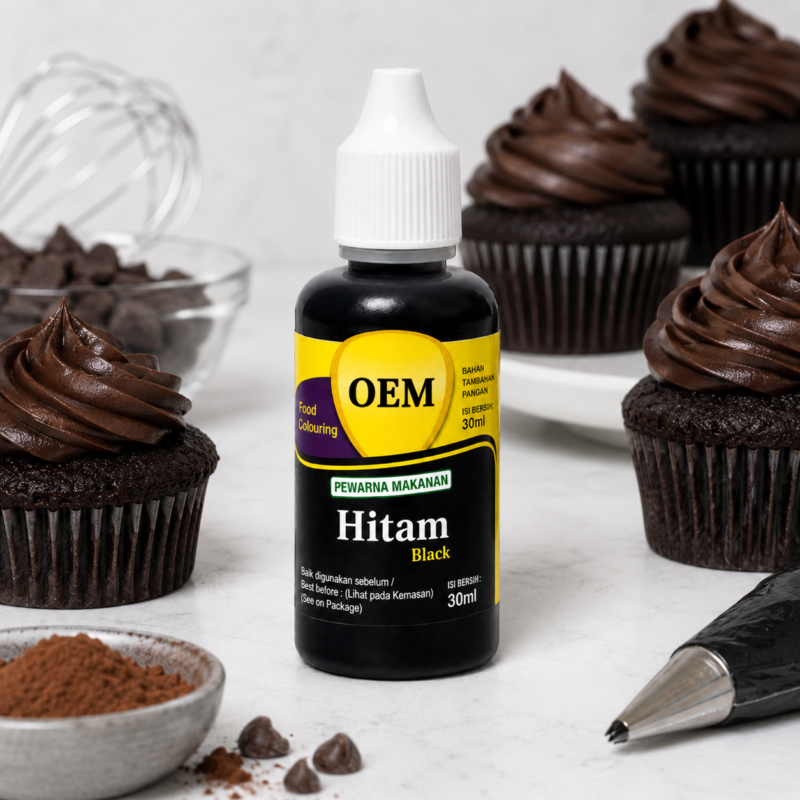
Black Food Coloring works especially well for cakes that require dark frosting, sponge layers, or decorative accents. Gel and concentrated formulas are often useful because they can provide strong color without requiring excessive liquid.
For buttercream, add a small amount of coloring first and mix thoroughly. Allowing the frosting to rest can also help the color develop before adding more.
- Use concentrated coloring for deep shades.
- Add coloring gradually rather than all at once.
- Mix thoroughly to avoid streaks.
- Test a small portion before coloring the entire batch.
Using Black Food Coloring in Cookies
Black Food Coloring can create striking sugar cookies, shortbread designs, and decorative icing. It is particularly useful for Halloween themes, monochrome events, character designs, and sophisticated wedding cookies.
When coloring cookie dough, mix the ingredient evenly before shaping the cookies. For royal icing, gradually adjust the color while maintaining the desired consistency for piping and flooding.
Using Black Food Coloring in Desserts
Black Food Coloring is also suitable for various desserts, including cupcakes, macarons, fondant decorations, whipped toppings, and themed pastries. A deep black shade can create a premium appearance when combined with white, gold, silver, or bright decorative elements.
Different dessert bases may react differently to coloring. Ingredients such as fats, sugars, and acidity can influence how the final shade develops, so small-batch testing is a useful practice.
Tips for Better Color Results
Achieving an even black shade requires patience and controlled application. Adding too much coloring at once may affect the texture or flavor of some recipes.
- Start with a small quantity and increase gradually.
- Use a clean utensil for accurate measurement.
- Mix until the color is evenly distributed.
- Let colored frosting or icing rest when appropriate.
- Keep the recipe’s original texture in mind.
It is also helpful to choose food-grade products intended for the specific application. For general background information about food coloring and related concepts, readers can consult Wikipedia.
Storage and Handling Tips
Proper storage helps maintain the quality of Black Food Coloring between uses. Keep the container tightly closed and store it according to the manufacturer’s instructions, away from excessive heat, moisture, and direct sunlight.
Always check the product label for recommended storage conditions and expiration information. Clean handling is also important when working in professional bakeries or commercial food production environments.
For businesses seeking more information about products and food-related solutions, visit our website. Selecting suitable ingredients and applying them consistently can help create attractive baked goods for both everyday customers and special events.