
Blog
Chili Flakes: 7 Simple Steps for Premium Quality Guide
Table of Contents
- 1. Selecting Fresh Chili
- 2. Preparing the Chili
- 3. Drying the Chili
- 4. Crushing Into Flakes
- 5. Maintaining Quality
- 6. Proper Storage
- 7. Choosing Quality Chili Flakes
How Chili Flakes Are Made: From Fresh Chili to Dried Flakes
Chili Flakes are made through a simple but carefully controlled process that transforms fresh chili peppers into a convenient dried ingredient. The process involves selecting suitable chilies, preparing them, removing moisture, and breaking them into flakes.
Understanding how Chili Flakes are produced can help food businesses, chefs, and ingredient buyers evaluate product quality. Each stage influences the final color, aroma, texture, heat level, and shelf stability.
1. Selecting Fresh Chili
The first step is choosing fresh, mature chili peppers with good color, firmness, and overall quality. Manufacturers generally avoid chilies that show excessive bruising, mold, decay, or other visible defects.
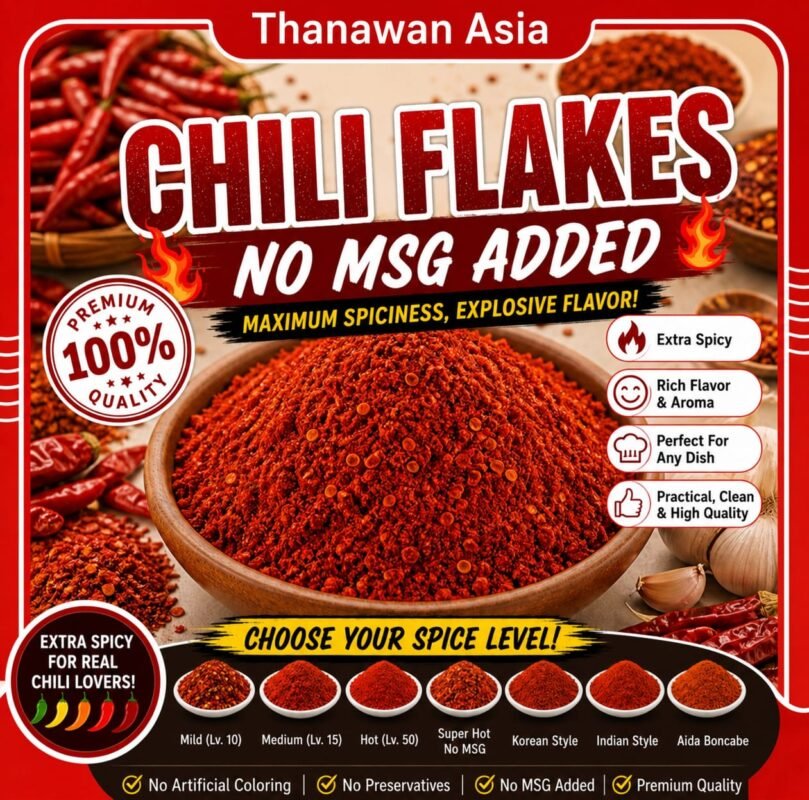
The variety of chili also matters because different peppers provide different levels of heat, flavor, aroma, and natural color. Consistent raw materials help create a more uniform finished product.
- Fresh and properly matured chilies
- Strong natural color and aroma
- Minimal physical damage
- Suitable variety for the desired heat level
2. Preparing the Chili
After selection, the chilies are cleaned to remove dirt and unwanted particles. They may then be sorted and prepared according to the production method and desired flake characteristics.
Some processing methods retain the seeds, while others reduce or remove them to achieve a particular appearance and heat profile. Careful preparation also supports better hygiene throughout production.
3. Drying the Chili
Drying is one of the most important stages in making Chili Flakes. Fresh chilies contain significant moisture, so controlled drying is necessary to create a stable ingredient with the desired texture.
Depending on the production scale, drying may use natural sunlight, hot-air systems, or other controlled drying equipment. The goal is to reduce moisture without unnecessarily damaging the chili’s characteristic color and aroma.
Proper drying also helps prepare the chilies for the next stage. Unevenly dried material can affect texture and consistency, making moisture control an important quality consideration.
4. Crushing Into Flakes
Once sufficiently dried, the chilies are broken or crushed into flakes. The processing equipment and settings influence the final particle size, so manufacturers can produce finer or coarser flakes depending on customer requirements.
Unlike chili powder, Chili Flakes retain a more visible, textured form. This makes them useful for pizza toppings, sauces, marinades, seasoning blends, meat products, and many other food applications.
5. Maintaining Quality
Quality control should continue after crushing. Producers typically check appearance, aroma, texture, cleanliness, and other relevant specifications before the product is packaged.
Important quality considerations for Chili Flakes include:
- Consistent flake size
- Clean and natural appearance
- Characteristic chili aroma
- Controlled moisture level
- Suitable heat and flavor profile
For general background on chili peppers and their characteristics, readers can also explore this trusted reference.
6. Proper Storage
After production, Chili Flakes should be packed in suitable food-grade packaging that helps protect the product from moisture, excessive heat, light, and contamination.
Storage conditions are equally important. A clean, dry, and well-managed storage area can help preserve the product’s aroma, color, texture, and overall usability for longer.
7. Choosing Quality Chili Flakes
For restaurants, food manufacturers, distributors, and wholesalers, selecting a reliable ingredient supplier is essential. Buyers should consider product consistency, packaging options, specifications, production capacity, and suitability for their intended application.
High-quality Chili Flakes can provide a practical way to add visible chili texture, aroma, and heat to food products. Understanding the production process makes it easier to communicate specifications and select the right product for commercial needs.
To explore more information about available products and business solutions, visit our website and learn more about suitable ingredient options.
From fresh chili selection to controlled drying and careful crushing, producing Chili Flakes requires attention at every stage. When raw materials, processing, quality control, and storage are managed properly, the result is a versatile dried chili ingredient suitable for a wide range of culinary and food-industry applications.
Related Posts
How Taro Powder Is Made: 7 Smart Steps for Premium Quality
-
Posted by
thanawanasia@gmail.com
7 Easy Ways to Use Dark Green Food Coloring for Cakes and Desserts
-
Posted by
7 Amazing Oregano Leaves Facts for Better Everyday Cooking
-
Posted by
Blue Food Coloring: 7 Premium Tips for Better Results
-
Posted by
7 Essential Facts About Cheddar Cheese Powder Seasoning and Its Uses
-
Posted by
7 Essential Facts About Cheese Seasoning Powder You Should Know
-
Posted by
7 Premium Taro Powder Benefits, Uses, and Delicious Recipe Ideas
-
Posted by
7 Powerful Rosemary Leaves Benefits, Uses, and Culinary Secrets
-
Posted by