
Blog
Blue Food Coloring: 7 Premium Tips for Better Results
Table of Contents
- 1. Check Product Quality
- 2. Review the Ingredients
- 3. Evaluate Color Strength
- 4. Consider the Application
- 5. Check Packaging and Storage
- 6. Choose a Reliable Supplier
- 7. Test Before Production
Blue Food Coloring: 7 Tips for Choosing Quality Products
Blue Food Coloring can transform cakes, beverages, confectionery, sauces, desserts, and other food products with an attractive and consistent appearance. Choosing the right coloring is important because color intensity, stability, formulation, and ease of application can directly affect the final result.
For home bakers, food manufacturers, distributors, and professional kitchens, selecting a dependable coloring product should involve more than simply choosing the brightest shade. The following seven tips can help you evaluate quality and select a product suitable for your intended application.
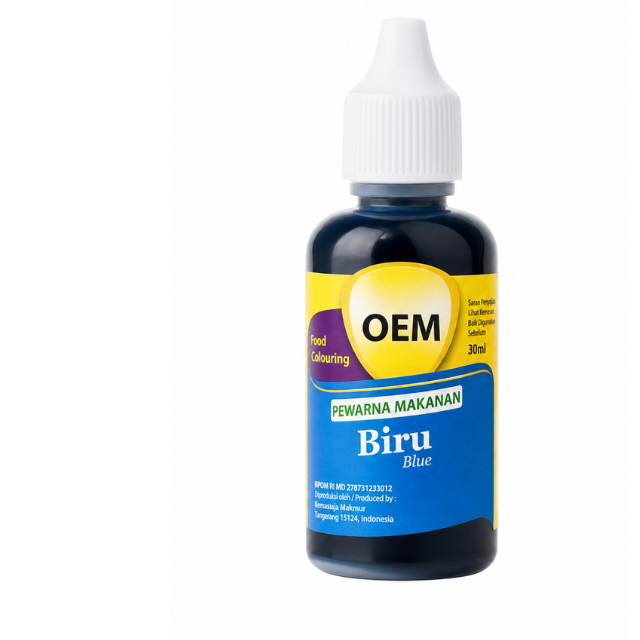
1. Check Product Quality
The first step is to evaluate the overall quality of the Blue Food Coloring. A good product should provide a consistent color profile and perform predictably when incorporated into the intended food or beverage formulation.
For commercial applications, consistent performance is particularly valuable because it helps maintain a uniform appearance across multiple production batches.
- Consistent color performance
- Suitable concentration for the intended application
- Stable formulation and reliable handling
- Clear product information and labeling
2. Review the Ingredients
Always review the ingredient information before purchasing Blue Food Coloring. Understanding the formulation helps you determine whether the product is appropriate for your recipe, manufacturing process, or customer requirements.
Pay attention to usage instructions, recommended applications, and any relevant product specifications. Clear labeling is especially important for businesses purchasing ingredients in bulk.
3. Evaluate Color Strength
Color strength is another important consideration. High-quality Blue Food Coloring should allow you to achieve the desired shade without unnecessarily adding large quantities to the finished product.
Before large-scale production, test a small quantity to determine how the color develops in your specific recipe. Different ingredients, pH levels, temperatures, and processing methods may influence the final appearance.
4. Consider the Application
Not every Blue Food Coloring product is ideal for every food category. Consider whether you need coloring for bakery products, beverages, confectionery, desserts, sauces, or another application.
- Bakery and cake decoration
- Frosting and icing
- Beverages and drink mixes
- Confectionery products
- Desserts and specialty foods
Matching the product to the application can improve efficiency and help achieve a more predictable visual result.
5. Check Packaging and Storage
Proper packaging helps protect Blue Food Coloring from external factors that may affect product quality. Look for secure, clean, and professionally sealed packaging with clear identification.
Storage instructions should also be reviewed carefully. Following the recommended storage conditions can help preserve product performance and simplify inventory management.
6. Choose a Reliable Supplier
A dependable supplier can make sourcing Blue Food Coloring easier for both small businesses and professional manufacturers. Look for suppliers that provide clear product details, responsive communication, consistent supply, and suitable packaging options.
For Indonesian sourcing requirements, PT JEJU INDAH UTAMA can provide a convenient starting point for exploring food ingredient solutions through our company website.
7. Test Before Production
Testing is one of the most practical ways to evaluate Blue Food Coloring before committing to a larger purchase. Start with a small batch and observe the resulting shade, consistency, handling, and overall performance.
Record the dosage and preparation method so successful results can be reproduced later. This approach is particularly useful for manufacturers seeking consistency across repeated production runs.
When evaluating food ingredients, reliable information is essential. You can explore general background information about food coloring through this external reference.
Ultimately, the best Blue Food Coloring is one that fits your application, provides consistent results, comes with clear product information, and is supported by a dependable supplier. By following these seven tips, buyers can make more informed sourcing decisions and improve the consistency of their finished food products.
Related Posts
How Taro Powder Is Made: 7 Smart Steps for Premium Quality
-
Posted by
thanawanasia@gmail.com
7 Easy Ways to Use Dark Green Food Coloring for Cakes and Desserts
-
Posted by
Chili Flakes: 7 Simple Steps for Premium Quality Guide
-
Posted by
7 Amazing Oregano Leaves Facts for Better Everyday Cooking
-
Posted by
7 Essential Facts About Cheddar Cheese Powder Seasoning and Its Uses
-
Posted by
7 Essential Facts About Cheese Seasoning Powder You Should Know
-
Posted by
7 Premium Taro Powder Benefits, Uses, and Delicious Recipe Ideas
-
Posted by
7 Premium Melon Essence Powder Benefits for the Food & Beverage Industry
-
Posted by
7 Powerful Rosemary Leaves Benefits, Uses, and Culinary Secrets
-
Posted by