
Blog
7 Powerful Reasons Tuna Cube Works for Seafood Products
Table of Contents
- Why Tuna Cube Is Practical
- Consistent Portioning and Preparation
- Versatile Seafood Applications
- Production and Handling Efficiency
- Quality and Cold-Chain Considerations
- What Buyers Should Consider
Why Tuna Cube Is a Practical Choice for Seafood Products
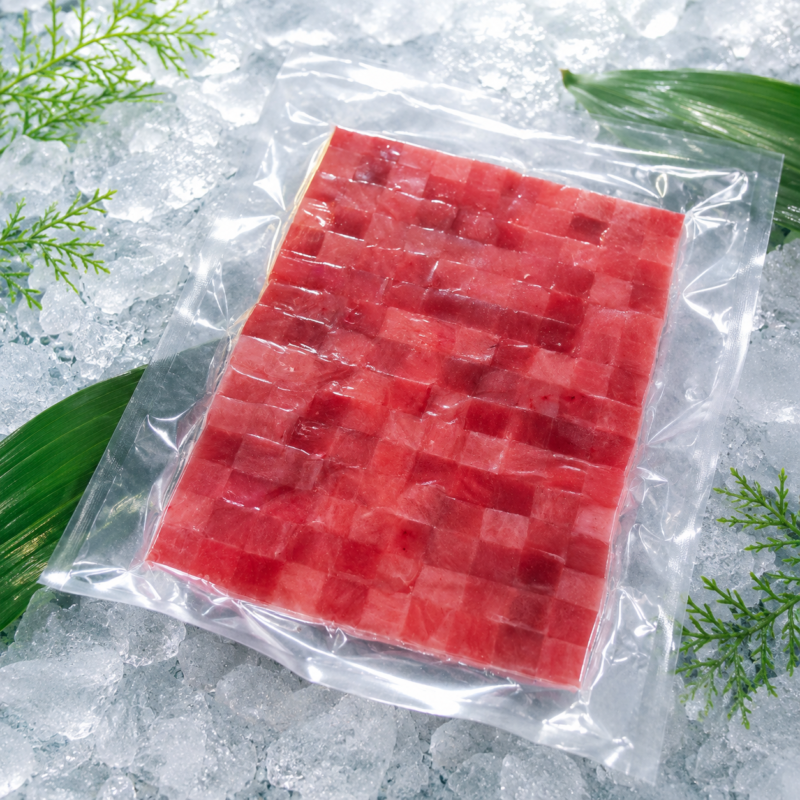
Tuna cube is a convenient format for businesses that need tuna in uniform, ready-to-use pieces. For restaurants, catering companies, food manufacturers, and seafood processors, this format can simplify preparation while supporting consistent product presentation.
Research on tuna cube processing highlights the importance of raw-material quality, yield, productivity, and controlled processing. These factors matter when seafood businesses want a dependable ingredient that can move efficiently from processing to final product.
1. Tuna Cube Supports Consistent Portioning
One of the biggest advantages of tuna cube is standardized cutting. Uniform pieces can make portion control easier, which is useful for recipes that require predictable serving sizes and a consistent appearance.
For commercial kitchens and food manufacturers, consistent portions can also make preparation easier to repeat. This is especially useful when multiple staff members or production shifts handle the same product.
2. Tuna Cube Fits Many Seafood Applications
Diced tuna can be incorporated into a wide range of seafood-based products. Depending on the specification and recipe, diced tuna may be used in poke, sushi-style preparations, salads, ready-to-cook meals, fillings, and other value-added foods.
This flexibility allows buyers to use one ingredient format across different menu concepts or product lines. It can also help businesses develop products that require recognizable tuna pieces rather than finely processed fish.
- Poke bowls and sushi-style products
- Seafood salads and cold dishes
- Ready-to-cook and ready-to-prepare meals
- Fillings, toppings, and value-added seafood products
3. Tuna Cube Can Improve Preparation Efficiency
Pre-cut tuna can reduce the amount of cutting and portioning required at the next stage of production. This can be valuable for businesses managing high volumes, tight preparation schedules, or standardized recipes.
Published research on diced tuna processing also shows that forming the cube is one distinct production stage, with its own productivity and yield considerations. This makes process control important for businesses evaluating suppliers and production performance.
4. Quality and Cold-Chain Handling Still Matter
The convenience of tuna cube does not replace the need for careful seafood handling. Tuna quality can be affected by processing conditions, temperature control, hygiene, and storage practices throughout the supply chain.
For buyers, a practical diced-tuna product should therefore be evaluated together with its processing controls and cold-chain management. Seafood safety guidance also emphasizes controlling time and temperature because tuna can be associated with histamine-related hazards when handled improperly.
For more background on tuna and seafood processing, visit this trusted reference. Businesses can also visit our website to explore seafood product information and supplier solutions.
5. What Buyers Should Consider Before Ordering
For B2B buyers, defining specifications in advance can make sourcing more efficient and help suppliers prepare the correct product format. This is particularly important when orders are repeated or shipped across markets.
Choosing the right product involves more than checking price. Buyers should match the product specification with the intended application, production volume, storage capability, and target market.
- Raw material quality and species specification
- Cube size, cut consistency, and product appearance
- Frozen or chilled condition and storage requirements
- Packaging format and minimum order quantity
- Supplier quality controls and traceability
- Cold-chain practices during transportation
Clear specifications can reduce misunderstandings between buyers and suppliers. For export-oriented businesses, documentation, packaging, labeling, and compliance requirements should also be reviewed before confirming an order.
6. Why This Tuna Format Makes Sense for Seafood Businesses
This cut format combines a practical preparation method with broad application potential. Its uniform shape can support portion control, simplify preparation, and create a consistent appearance across commercial seafood products.
However, the best results depend on more than the cut itself. Reliable raw materials, careful processing, cold-chain management, suitable packaging, and clear specifications all contribute to a successful supply program.
For businesses seeking a flexible seafood ingredient, this format can be a practical option for improving workflow and developing consistent value-added products. Evaluating quality and supplier capability alongside price is the key to making a confident purchasing decision.
Related Posts
How Taro Powder Is Made: 7 Smart Steps for Premium Quality
-
Posted by
thanawanasia@gmail.com
7 Powerful Tuna Steak Tips for Better Quality and Freshness
-
Posted by
7 Amazing Purple Sweet Potato Powder Uses for Food Production
-
Posted by
7 Essential Facts About Cheese Seasoning Powder You Should Know
-
Posted by